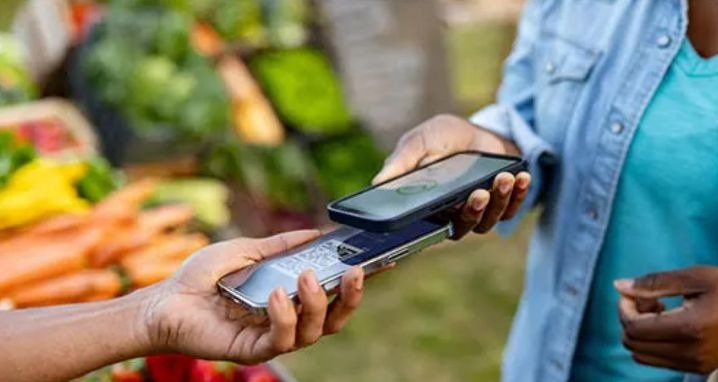
Stablecoins are rapidly becoming one of Africa’s most important financial tools, with crypto platform NoOnes reporting that stablecoins now account for nearly 60% of all transactions on its platform. The growth reflects increasing demand for faster payments, cheaper remittances, and protection against currency instability across the continents. According to new research released by NoOnes, stablecoin usage on its platform has grown significantly over the past two years, rising from less than 25% of activity to almost 60%.
The report aligns with broader market data showing that stablecoins now account for roughly 43% of all crypto transaction volume in Sub-Saharan Africa, where digital asset adoption continues to accelerate. The company said stablecoins are increasingly being used for cross-border payments, freelance income, remittances, business transactions, and savings rather than speculative trading. One major driver of adoption is the rise of remote work and freelance employment across Africa. Stablecoins now allow African freelancers and digital workers to receive payments from international clients almost instantly without relying on traditional banking systems.
For example, a Kenyan designer working for a company in London can receive payments in stablecoins within minutes instead of waiting several days for international bank transfers to settle. The report also highlighted growing use among businesses and small merchants. Companies across countries such as Nigeria, Kenya, Ghana, Cameroon, and South Africa are increasingly using stablecoins like Tether for supplier payments and international settlements due to lower transaction costs and faster processing times.
According to the research, traditional remittance services can charge between 5% and 12% in fees, while stablecoin transfers often cost between 1% and 3%. The company gave an example showing that a Kenyan living in the United Kingdom sending $300 home could pay around $25 through traditional banking channels, compared to roughly $3 using crypto payment applications.
Another key factor driving stablecoin growth is financial accessibility. Many Africans remain outside the traditional banking system, but mobile money platforms such as M-Pesa, Airtel Money, and MTN MoMo have made it easier for users to convert stablecoins into local currency.
Users are also increasingly relying on stablecoins to protect savings from local currency depreciation by holding digital dollars pegged to the U.S. dollar. The report noted that stablecoins are gradually becoming part of Africa’s everyday financial infrastructure as users turn to digital assets for payments, savings, and international commerce.
The rapid growth of stablecoins across Africa highlights how digital assets are increasingly solving real financial challenges beyond speculation. As more individuals and businesses seek faster payments, lower remittance costs, and protection against currency volatility, stablecoins are emerging as a key part of Africa’s evolving financial ecosystem.
Related Articles

AFRICA BLOCKCHAIN FESTIVAL 2026 × WORLD TOKEN SUMMIT 4.0 HOSTS EXCLUSIVE ‘BLOCK & CHILL’ MIXERS IN ABUJA AND LAGOS AHEAD OF NAIROBI SUMMIT
Sep 14, 2026

South Africa Proposes New Rules for Cross-Border Crypto Asset Transactions National Treasury & South African Reserve Bank (SARB)
Aug 13, 2026

Bank of Tanzania Opens Government Securities Market to All Non-Resident Investors Bank of Tanzania
Aug 13, 2026