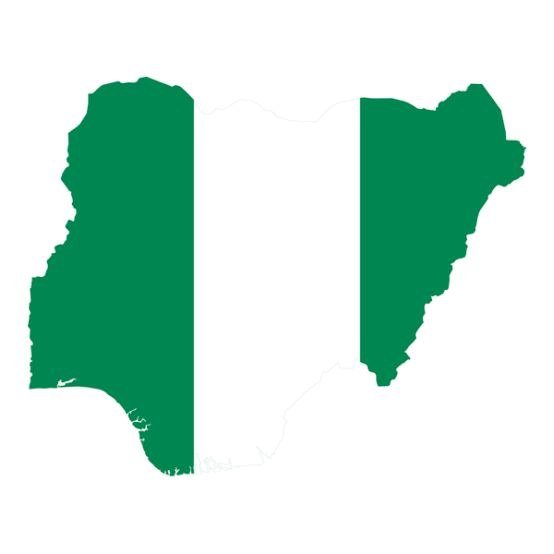
Nigeria has introduced its most comprehensive digital asset reform to date with the launch of the Virtual Asset Council (VAC), a new interagency body designed to coordinate crypto regulation, strengthen market oversight, combat fraud, and create a more attractive environment for institutional investment in Africa's largest cryptocurrency market. Established under the Presidential Executive Order on Virtual Assets Coordination, 2026, signed by President Bola Tinubu on July 17, 2026, the Virtual Asset Council will oversee coordination across Nigeria's digital asset ecosystem.
The Central Bank of Nigeria (CBN) will chair the council, while the Nigeria Revenue Service (NRS) and the Securities and Exchange Commission (SEC) will serve as vice-chairs. Other members include the Nigerian Financial Intelligence Unit (NFIU) and the Office of the National Security Adviser (ONSA).
To support the council's operations, the government will establish a Virtual Assets Bureau within the CBN. The bureau will coordinate information sharing, market surveillance, regulatory reporting, and collaboration among participating agencies through a unified technology platform. Rather than creating a single crypto regulator, the framework assigns responsibilities based on the type of service provided. The SEC will supervise digital assets classified as securities, while the CBN and other relevant authorities will oversee payment, settlement, and custody-related virtual asset activities. The reforms also introduce a regulatory sandbox, allowing blockchain and crypto companies to test new products under regulatory supervision before full market deployment. In addition, the Nigeria Revenue Service has been tasked with developing a dedicated tax framework to clarify tax obligations for digital asset participants.
According to the executive order, the Virtual Asset Council has 30 days to prepare a unified implementation framework, after which the government plans to publish a National White Paper on Virtual Assets outlining Nigeria's long-term digital asset strategy.
The establishment of the Virtual Asset Council marks a significant milestone in Nigeria's evolving crypto regulatory landscape. By improving coordination among existing regulators, introducing clearer licensing and taxation frameworks, and supporting innovation through a regulatory sandbox, Nigeria is positioning itself to become a leading hub for regulated digital asset innovation across Africa.
Related Articles

AFRICA BLOCKCHAIN FESTIVAL 2026 × WORLD TOKEN SUMMIT 4.0 HOSTS EXCLUSIVE ‘BLOCK & CHILL’ MIXERS IN ABUJA AND LAGOS AHEAD OF NAIROBI SUMMIT
Sep 14, 2026
South Africa Proposes New Rules for Cross-Border Crypto Asset Transactions National Treasury & South African Reserve Bank (SARB)
Aug 13, 2026
Bank of Tanzania Opens Government Securities Market to All Non-Resident Investors Bank of Tanzania
Aug 13, 2026